
Project Supporting Inclusive Digital Transformation for SMEs in Lào Cai and Sơn La
The IDAP Project is designed to strengthen an inclusive digital transformation ecosystem, connecting small and medium-sized enterprises (SMEs) with resources from universities, technical service providers, human resources, and business support organizations.
The IDAP project "Enhancing the Inclusive Digital Transformation Ecosystem for SMEs" in the provinces of Lào Cai and Sơn La has just been officially launched. This is not only a capacity-building project but also adopts a market systems approach, with a focus on SMEs and ethnic minority women.
The project is implemented by KisStartup, with funding from the GREAT project – an initiative funded by the Australian Government and managed by Cowater International.
Ethnic minority women, who often face disadvantages, will be at the center of the support activities.
The IDAP project aims to promote digital transformation (CĐS) for SMEs in Lào Cai and Sơn La from 2024 to 2027, with a focus on the agriculture and tourism sectors. A key distinction is that IDAP not only provides digital transformation skills and tools but also approaches the initiative from a market systems perspective, ensuring inclusivity and sustainability for the entire business ecosystem.
Ethnic minority women, who are often disadvantaged in economic processes, especially in digital transformation, will be placed at the center of the support activities.
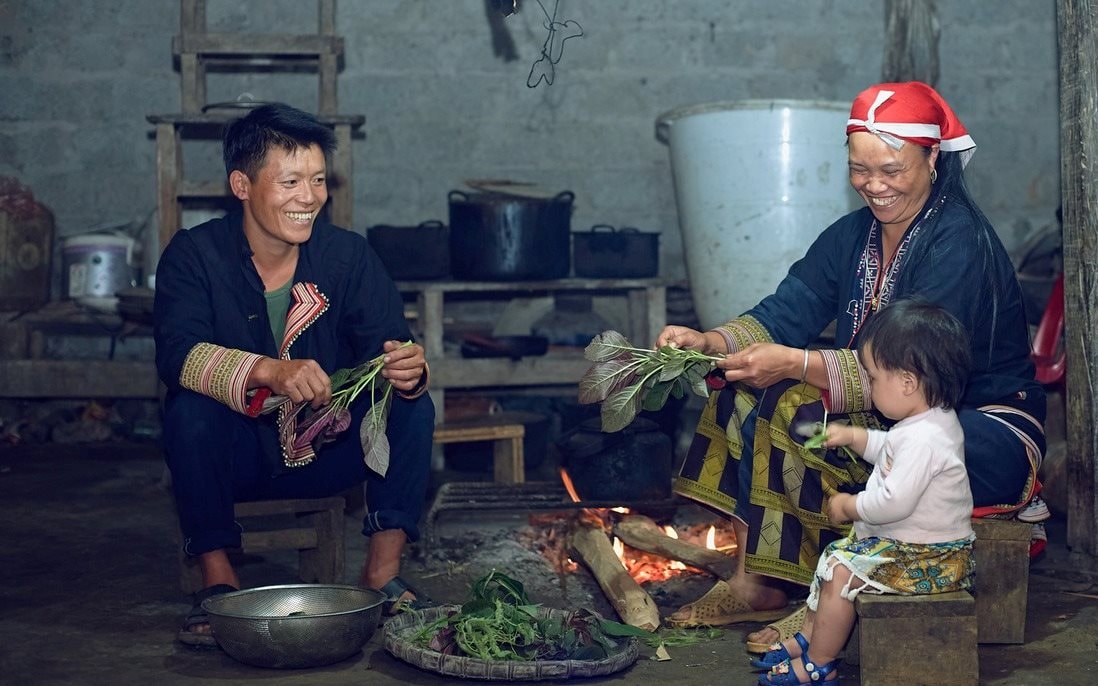
Ethnic Minority Women Will Be the Central Focus of Support Activities
Image: Internet
The IDAP Project is designed to enhance an inclusive digital transformation ecosystem, connecting SMEs (Small and Medium Enterprises) with resources from universities, technical service providers, human resources, and business support organizations.
With the goal of building comprehensive capacity, IDAP not only helps businesses improve their revenue and expand markets through online channels but also creates opportunities for them to effectively utilize digital transformation solutions, especially for ethnic minority women leading businesses. The project connects them with service providers and support organizations to enhance business effectiveness through digital transformation.
GREAT (Gender Equality through Enhancing Economic Effectiveness in Agricultural Production and Tourism Development in Lào Cai and Sơn La) is an initiative funded by the Australian Government and managed by Cowater International. The project aims to create sustainable economic opportunities for women and vulnerable groups in rural and mountainous regions of Vietnam.
GREAT will support Lào Cai and Sơn La provinces in strengthening digital transformation capabilities within the ecosystem, focusing on micro, small, and medium enterprises (MSMEs), including those led by ethnic minority women (EMWs).
The intervention activities include building the capacity of key stakeholders in the digital transformation ecosystem with a business-focused approach. Local universities and colleges, as well as technical service providers and human resources for digital service providers, will improve their capabilities not only in digital transformation but also in integrating knowledge and skills into their operations.
Additionally, the project promotes digital transformation by fostering an ecosystem of digital business innovation, facilitating connections between stakeholders, including local MSMEs, universities, colleges, technical service providers, and human resources at the local, national, and international levels. It also connects the local and national digital transformation ecosystems by elevating local service providers to the national level and creating opportunities for sustainable business investment and collaboration after the project ends.
“As long as we have a phone and internet, we believe the project can be implemented.”
In 2020, when COVID-19 was at its peak, KisStartup tested a digital business acceleration project to help businesses survive the pandemic.
“We realized that digital tools are just tools unless there is the necessary awareness of changes in business models and leadership thinking. Therefore, instead of focusing on guiding platforms and channels, we took a parallel approach, innovating business models, supplementing human resources, and changing market perceptions alongside digital tools. The first businesses that achieved strong results, increasing their revenue by 3-5 times through online channels, truly encouraged us about our approach,” said Nguyễn Đặng Tuấn Minh, Manager and Co-founder of KisStartup, an organization supporting business innovation and startup mentoring.
The project later received seed funding from Frontier Lab Incubator to continue developing the model and acquiring new clients such as Agriterra (Netherlands). In 2020, when meeting with GREAT, the initiative shared challenges in the two provinces regarding the readiness of businesses and the local population.
“At that time, we committed that as long as we had a phone and internet, we believed the project could be implemented,” shared Ms. Tuấn Minh. This commitment was coupled with efforts in training, mentoring, building networks, and harmonizing business model innovation and digital transformation.
“The results exceeded expectations as businesses not only survived but also increased their revenue 3-5 times through online channels,” a representative from KisStartup said.
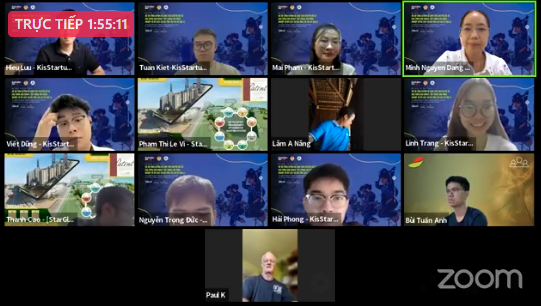
IDAP Project Launch Event "Enhancing the Inclusive Digital Transformation Ecosystem for SMEs" in Lào Cai and Sơn La Provinces Held Online
According to Nguyễn Đặng Tuấn Minh, the digital transformation process in businesses occurs through 6 steps, including:
Awareness and New Mindset
Strategy and Roadmap
Digital Capacity (Human Resources, Infrastructure, Culture)
Identifying Key Technologies
Business Model and Operations
Transforming Processes from Small to Large
Meanwhile, digital business innovation refers to the stage businesses undergo from steps 1 to 5 in the 6 steps of digital transformation, including changing awareness and mindset, building strategy and roadmap, enhancing digital capacity, identifying key technologies, and developing business and operational models.
However, the steps do not follow a fixed sequence and may differ among businesses in terms of order and speed.
During the event, details of the IDAP project approach were introduced, along with guidance for stakeholders on how to participate and optimize benefits from the project.
Representatives from KisStartup and key partners such as universities, colleges, and service providers shared insights on the project’s role in supporting businesses, with participation from various representatives from business support organizations, universities, and businesses from the Lào Cai and Sơn La provinces. In particular, success stories from ethnic minority women-led businesses were shared, illustrating the effectiveness of the GREAT project in the previous phase.
Source: Information & Communication Magazine