2026-07-03
LIF Global UK: When "Made in Vietnam" Technologies Tell a Global Story
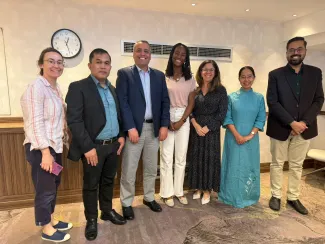
The third day of the Leaders in Innovation Fellowships (LIF Global) programme in the United Kingdom marked one of the most memorable milestones for the Vietnamese delegation. Following two days of exploring the UK's innovation ecosystem, technology transfer mechanisms, and commercialisation practices, Vietnamese innovators joined the Global Pitching session, where 46 innovators from five countries -India, Jordan, Brazil, the Philippines, and Vietnam - presented technologies they had spent years researching and developing.
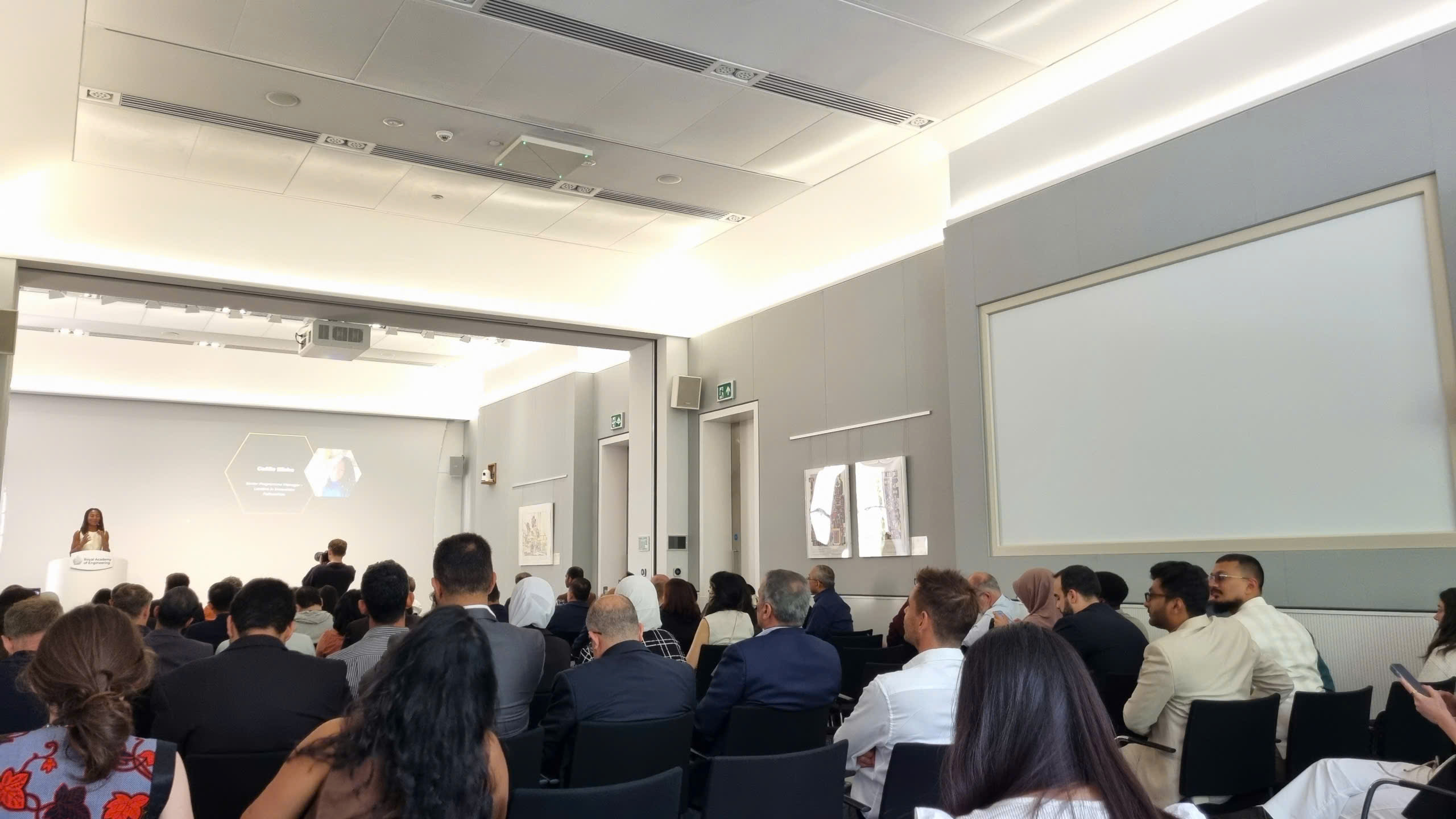
For KisStartup, the greatest value of the pitching session was not simply the quality of the presentations. What truly stood out was the ability of scientists and entrepreneurs to transform years of rigorous research into compelling stories that investors, businesses, international partners, and society could understand. This represents one of the most critical transitions in the commercialisation journey - from proving that "my technology works"to answering a much more important question: "What value can this technology create for the world?"
LIF Global does not evaluate projects solely on their technical sophistication. Instead, every discussion revolves around impact: What problem does this technology solve? Who will benefit from it? How will the business model work? And how can the innovation scale beyond its home country? This philosophy perfectly embodies the programme's mission of "Innovation to Market" - transforming breakthrough research into solutions that create real-world impact.
Vietnam is Contributing to Global Challenges
Looking across all the Vietnamese presentations, one observation became particularly clear: the majority of these innovations were not designed solely to address domestic needs. Instead, they tackled some of today's most pressing global challenges, including climate change, green transition, healthy ageing, healthcare, food security, and the circular economy.
This reflects an encouraging shift in the mindset of Vietnamese researchers and innovators. Rather than focusing exclusively on local challenges, they are positioning their technologies within a global context, where sustainability, scalability, and measurable social impact are becoming defining criteria for innovation.
One of the strongest themes emerging from the Vietnamese cohort was Net Zero and climate-smart agriculture. These projects demonstrated that Vietnamese agriculture can contribute not only as a producer of food but also as a source of innovative climate solutions.
Projects ranged from CO₂ field measurement services integrated with satellite monitoring to build robust MRV (Measurement, Reporting and Verification) platforms for carbon markets, to low-emission rice varieties developed using CRISPR gene-editing technology, combined with AI-powered digital MRV systems. Together, these innovations aim to improve productivity while reducing greenhouse gas emissions and helping producers comply with international requirements such as CBAM and Net Zero commitments.
What makes these innovations particularly significant is that their value extends well beyond the technologies themselves. They are helping create an entirely new market where emissions data, environmental monitoring, and agricultural information become valuable economic assets, laying the foundation for carbon finance, climate services, and sustainable international trade.
Technology with Humanity at Its Core
While climate technologies focus on the future of our planet, another group of projects addressed challenges that directly affect people's lives.
The Vietnamese innovators showcased solutions ranging from advanced pedestrian collision simulation systems for improving urban road safety, to therapeutic proteins for burn treatment, and multi-target drug candidates for Alzheimer's disease.
These are fields that demand years of scientific research, clinical validation, and regulatory compliance. Yet beyond their technological sophistication lies a much deeper ambition: improving the quality of life for millions of people through science.
During our earlier visit to King's College London, KisStartup learned that commercialising healthcare technologies requires far more than scientific excellence. It demands intellectual property strategies, clinical translation pathways, regulatory planning, and integration into healthcare systems.
The pitching session clearly demonstrated that Vietnamese researchers are increasingly embracing this mindset - not only developing breakthrough technologies but also beginning to design practical pathways for bringing them into clinical and commercial application.
The Circular Economy as a New Competitive Advantage
Another particularly inspiring group of projects focused on food innovation, biotechnology, and the circular economy.
Although addressing different sectors, these innovations share a common philosophy: creating new value from resources traditionally considered waste. Young jackfruit is transformed into sustainable alternative protein. Banana stems become edible hydrogel coatings that extend the shelf life of fresh produce. Koji fermentation enhances the flavour profile and value of specialty coffee while reducing processing waste. Food waste itself becomes the feedstock for microbial biostimulants supporting sustainable agriculture.
Together, these projects illustrate an important shift in innovation thinking. Rather than simply developing new products, researchers are redesigning entire value chains through circular principles, ensuring that every material stream can be reused while simultaneously reducing emissions, increasing farmers' incomes, and strengthening long-term sustainability.
Pitching Is About Learning to Tell a Story
One of the most striking observations throughout the pitching session was how researchers have changed the way they communicate their innovations.
Traditionally, many scientific presentations begin with technical specifications, laboratory data, or experimental results. At LIF Global, however, innovators are encouraged to begin with the societal challenge, introducing technology only as the solution to that challenge.
Although this may appear to be a subtle shift, it fundamentally changes the commercialisation process. Investors do not invest in technology simply because it is innovative. Businesses do not purchase solutions simply because they are technologically advanced. They invest in value.
This is precisely the capability that LIF Global helps innovators develop: transforming the language of science into the language of markets.
From Vietnam to the World
The Global Pitching session also reinforced KisStartup's confidence in Vietnam's innovation ecosystem.
Vietnam does not lack high-quality technologies, nor does it lack passionate researchers.
What remains essential is building stronger innovation ecosystems capable of supporting innovators throughout the entire journey—from laboratory research to market adoption, from intellectual property to successful enterprises, and from scientific discovery to meaningful societal impact.
This is precisely why KisStartup continues to partner with the LIF Global programme. We believe that commercialisation is far more than selling technology. It is about connecting knowledge, people, capital, partnerships, and markets so that innovation can create lasting economic and social value.
Our journey in the United Kingdom continues. Through every conversation, every institutional visit, and every lesson learned, we hope to bring home new international experiences that will contribute to building a stronger innovation commercialisation ecosystem in Vietnam.
Vietnamese Innovators Participating in the LIF Global 2026 Global Pitching Session
Net Zero & Climate-Smart Agriculture
- Tran Tu (Ho Chi Minh City University of Technology) - CO₂ Field Measurement and Satellite Monitoring Service: A climate data platform combining field-based CO₂ measurements with satellite monitoring to provide trusted MRV services for carbon markets, Net Zero strategies, and international compliance.
- Thi Mai Huong To (University of Science and Technology of Hanoi) - GreenRice Initiative: Development of low-emission rice varieties using CRISPR gene editing, integrated with AI-powered digital MRV systems to support sustainable rice production and carbon-smart agriculture.
Road Safety & Health Technologies
- Luu Nguyen Phu Thuong (Van Lang University) - Pedestrian Safety Simulation and Smart Protection System: Advanced collision simulation technology designed to improve pedestrian safety through better vehicle design and smart protection systems.
- Hieu Tran Van (University of Science, VNU-HCM) - VitaDerm BioTech: Development of FGF-2 therapeutic proteins for burn treatment and tissue regeneration with the potential to improve wound healing and healthcare accessibility.
- Phuong Thao Tran (Hanoi University of Pharmacy) - TPTMedchem: A next-generation multi-target therapeutic approach for Alzheimer's disease, addressing multiple disease mechanisms with the goal of improving treatment outcomes.
Food Innovation, Circular Economy & Biotechnology
- Anh Tuan Tran (Lemit Foods) - Upcycled Protein - The Net Zero Jackfruit Solution: Transforming young jackfruit into sustainable alternative protein through a circular economy model that reduces food waste and greenhouse gas emissions.
- Mai Linh Dinh (Hanoi University of Science and Technology) - BioGel Solus: Edible hydrogel coatings made from banana stems that extend the shelf life of fresh produce while reducing plastic waste and agricultural losses.
- Thi Kim Cuc Nguyen (Thuyloi University) - Koji Technology: Applying Koji fermentation to enhance specialty coffee quality while creating an inclusive and circular coffee value chain.
- Hoang Nguyen (University of Science, VNU-HCM) - CymbionX: Beneficial microbial biostimulants produced from food waste to improve soil health, reduce dependence on chemical fertilisers, and support sustainable agriculture.
- Log in to post comments
- 38 views