
More Cost-Effective Entrepreneurship through Effectuation Mindset
After understanding the effectuation mindset, one of the most obvious benefits that student entrepreneurs can apply immediately is financial savings when launching a business.
In reality, many startups collapse not due to poor ideas, but because they burn through too much cash before figuring out the market. Effectuation helps you avoid this pitfall by starting small, testing fast, and leveraging available resources.
Here are a few highly practical ways to apply it:
Start with What You Have – Instead of Buying Everything
Instead of renting an office or buying brand-new equipment, many startups begin with existing resources.
Example:
- A student group selling handmade items starts from a dorm room, utilizing their personal smartphones to shoot product photos.
- A marketing service startup kicks off with personal laptops and social media networks, bypassing the immediate need for a website.
The critical priority is to validate customers before making any major investments.
Spend Based on "Affordable Loss"
Instead of asking "How much money can I earn?", effectual entrepreneurs typically ask:
"How much money can I afford to lose to test this idea?"
Example
- A student wishing to launch a takeaway coffee business might pilot-sell 50 cups within the university campus before opening a physical shop.
- An app development team might build a simple prototype to test with their first 20 users.
If the initiative fails, the lost cost remains well within a bearable threshold.
Leverage Networks Instead of Purchasing Services
In the early stages, many things can be bartered through value exchange instead of paying cash upfront.
Example
- A student designs a logo for a coffee shop for free; in return, the shop allows them to place a promotional poster for their startup.
- An app development group partners with marketing students to co-test a communications campaign.
This approach helps startups conserve cash and build a community right from the start.
Turn Constraints into Cost-Saving Opportunities
Many famous startups began under highly constrained conditions.
Example
- Airbnb initially rented out air mattresses in their own apartment because they lacked the capital to open a hotel.
- Many online fashion brands start via pre-orders, manufacturing only when a confirmed order is placed.
This methodology mitigates inventory risks and relieves capital pressure.
Small Actions – Fast Learning – Continuous Adjustments
Instead of spending substantial money drafting a flawless plan, effectual startups consistently:
- Test fast.
- Learn from customers.
- Adjust the product.
This ensures that every dollar spent is directly tied to a market lesson learned.
Lessons for Student Entrepreneurs
Entrepreneurship is not a competition over who commands more money; it is a game for those who know how to deploy resources more intelligently.
The effectuation mindset empowers you to:
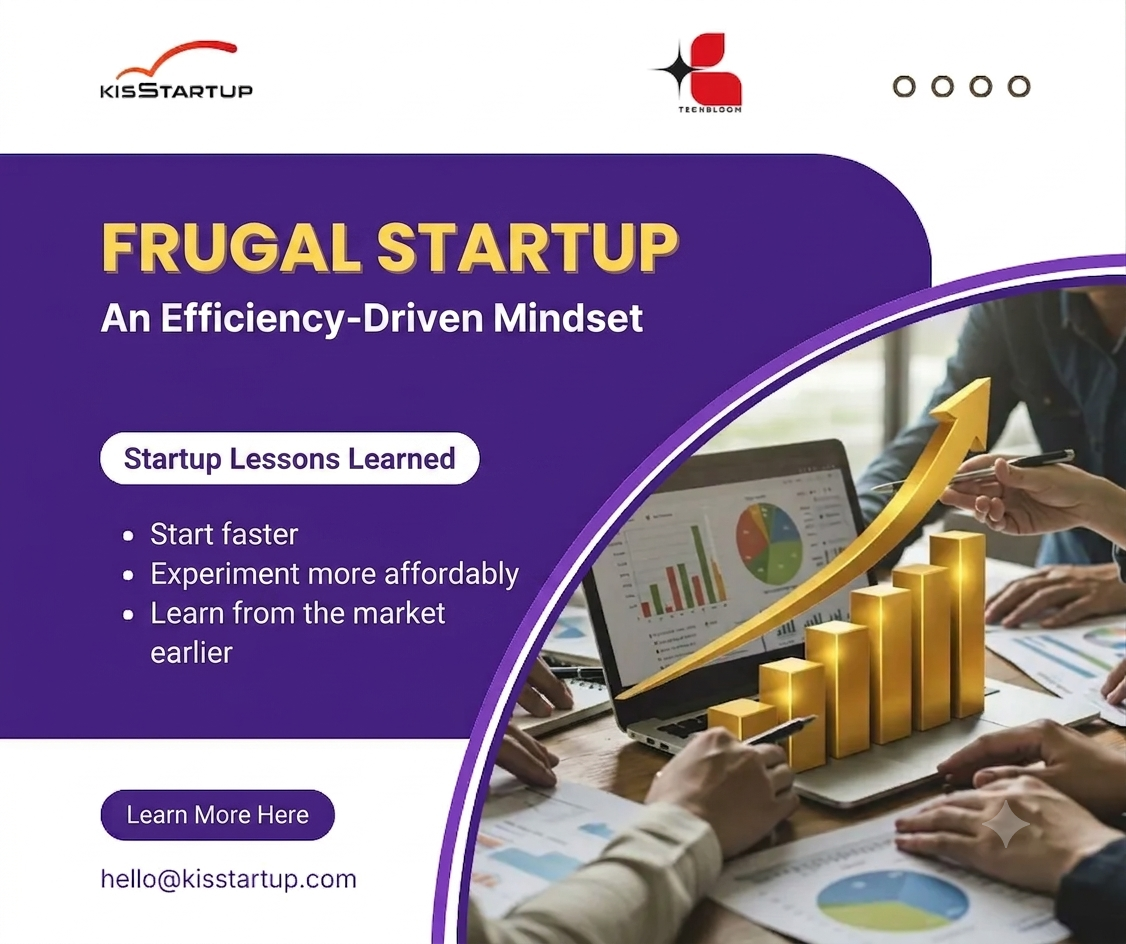
- Start faster.
- Experiment cheaper.
- Learn from the market sooner.
And sometimes, a massive startup begins with very small steps.
© Copyright by KisStartup. Any form of copying, quoting, or reusing must clearly credit KisStartup as the source.
Author: KisStartup